
Alumna Aids Community Health as a Paramedicine Social Worker
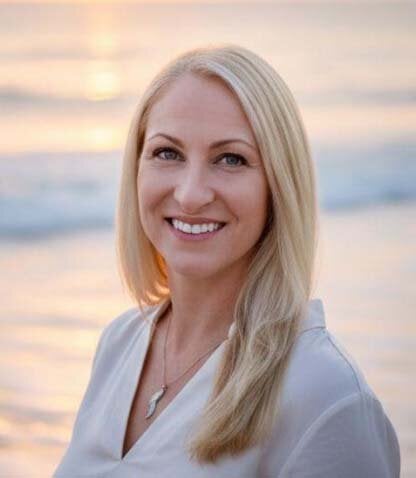
Phyllina Sunshine Valus Arnold (BS '02, MSW' 10), who goes by Sunshine, has worked in the social work field for more than two decades, but it's only since 2023 that she has worked with Citrus County Fire Rescue as a part of the county's community paramedicine program.
Community paramedicine is a growing area of health and emergency services that uses a community-based model to expand the role of Emergency Medical Services (EMS) beyond emergency and transport roles to include preventive health and community support services.
A licensed clinical social worker, Sunshine works alongside her paramedic partner and is the first in this role in her home county, Citrus County, Florida.
"So many of these people are struggling," she stated in an interview with BN9 Spectrum News about her role supporting families around Citrus County. "They need help and they don't know how to ask for it."
Her years of experience as a child welfare worker, as the director of a domestic violence center, and in her own private practice treating trauma in children, first responders and veterans gave her the unique skill set to be the ideal candidate for the first community paramedicine social worker in her county.
Supporting Communities
One of the core focuses of her job is to provide services to people in her community struggling with substance use disorders, particularly opioid addiction, as a part of Florida's statewide Coordinated Opioid Recovery network and initiative. Her team responds as a post-overdose response team immediately after someone has overdosed, either to a hospital or directly to a citizen in the community. The program shortens the time it often takes for citizens to begin the recovery process.
"We meet with citizens struggling with opioid use disorder and outline the program for them that includes medication assistance treatment to address withdrawal symptoms, crisis intervention and navigation in the community for sustainable recovery through connection with addiction specialists, peer navigators, ongoing mental health support, primary care and a variety of social services," she explained.
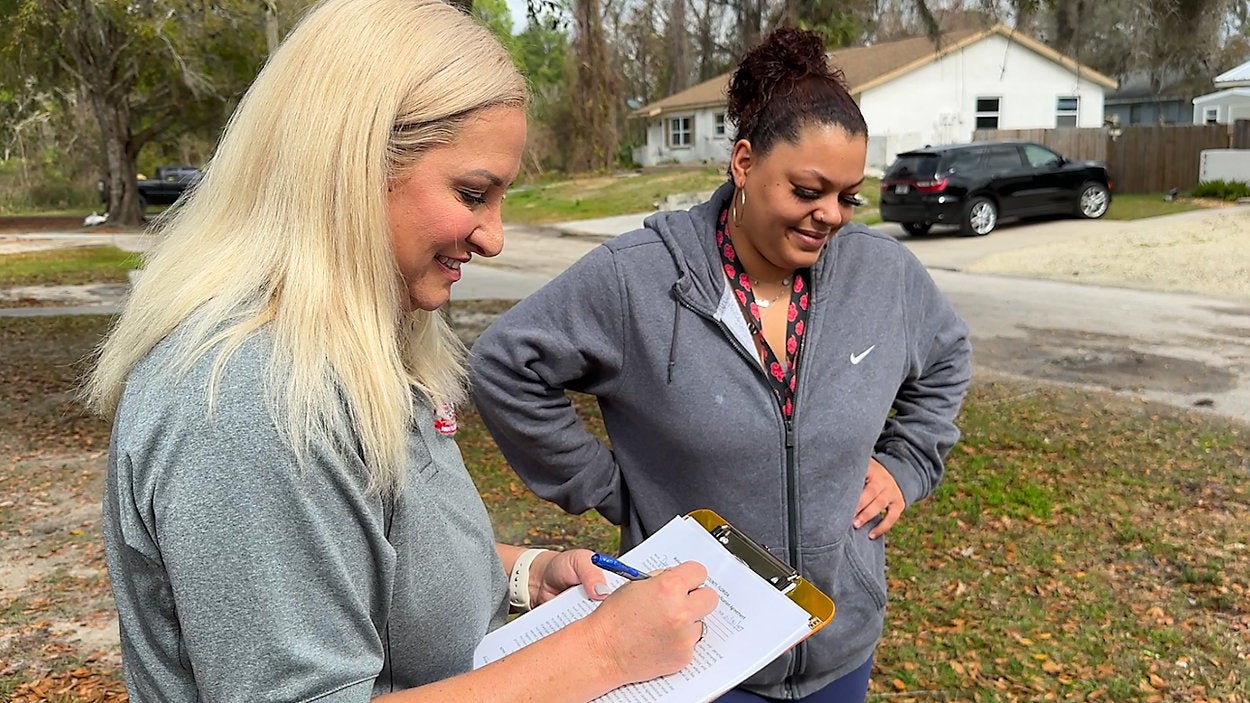
Sunshine's role also helps the community access non-emergency, community-based care focused on public health, prevention services, and primary care for underserved populations. She and her colleagues connect with community members through home visits to improve their access to care, manage chronic symptoms, reduce unnecessary calls to the 9-1-1 system, and reduce emergency room visits. "I empower and facilitate connecting citizens to resources and services in the community to meet their needs and improve their quality of life," she emphasized.
Supporting First Responders
First responders have demanding jobs that carry with them high levels of stress and repeated exposure to traumatic events. First responders are at an increased risk of several issues, including burnout, post-traumatic stress and other mental health issues based on the very nature of their work.
Having a licensed clinical social worker as part of a community paramedic/EMS team is also a lifeline of support for first responders, including firefighters, emergency medical technicians and paramedics. Sunshine has developed a wellness program for Citrus County Fire Rescue that provides comprehensive, integrated mental health and wellness resources to support her colleagues' mental health and resilience.
"This kind of program aims to prevent and lessen the potential negative impact of trauma and stress upon our members," Sunshine explained, "and encourage opportunities for positive growth through education, support, assessment, and intervention."
As the wife of a law enforcement officer, she also enjoys working with first responders and helping them avoid trying to process job stress and trauma on their own, and to ask for support.
"That messaging and the stigma first responders have with seeking mental health care have had devastating outcomes," she expressed. "Having a department that values mental health and wants to do something proactively to support the members is an amazing thing to be a part of." Sunshine has even been able to share the program she's created with other departments in Florida and across other states that have taken note of her county's prioritization of wellness programs that are both internal and external in scope.
At the end, it's about saving lives, and Sunshine feels gratitude for being able to support her community on so many levels, but she also champions continuing to expand this work. "As always, the lack of funding for programs and the lack of clinicians in the community can affect people's ability to get the care and services they need."
"The CORE program is literally saving lives," she stressed. "Florida's CORE program, like the one we have here, interrupts that dangerous cycle of overdose and offers immediate intervention, withdrawal management, and access to help."
Snshine noticed that one of the most significant ways her role makes a difference is by helping citizens navigate the complex, often daunting paths to support and services. She remarked that many of us are taught from a young age to dial 9-1-1 when we need help and don't know where to turn, even for non-emergencies. She and her team can respond in ways that connect community members more directly to resources and services.
Sunshine also hopes for the expansion of roles like hers, further integrating them into health and emergency service teams to improve access to care and outcomes for every community's citizens