
Answering a Behavioral Health Crisis from Within: FSU Launches Panhandle Pathways to Para-Professions
A new program funded by the Health Resources and Services Administration at the FSU College of Social Work is training young people from rural North Florida to become Certified Behavioral Health Technicians and bringing much-needed care to the region.
Many of the 18 counties in Florida’s Panhandle are, according to clinicians who work in the region, a behavioral health desert. Families may drive an hour or more each way to reach a counselor, only to land on a waitlist that stretches for months. In some districts, a single school counselor is responsible for more than 1,000 students, roughly four times the caseload recommended by national standards.
The Stoops Center for Communities, Families, and Children at the FSU College of Social Work, in partnership with the FSU College of Education, built Panhandle Pathways to Para-Professions to change that, funded by HRSA through its Behavioral Health Workforce Education and Training for Paraprofessionals program.
The Panhandle Pathways to Para-Professions recruits and trains high school seniors, GED completers, and recent graduates from rural Panhandle counties to become Certified Behavioral Health Technicians, skilled paraprofessionals who can deliver early intervention and crisis support to children and families close to home. The program welcomed its first cohort this spring.
Youths in Crisis in the Florida Panhandle
The need is urgent. Suicide is now the second-leading cause of death among Florida children ages 10 to 14, and the panhandle area has one of the highest youth suicide rates in the state. More than 40 percent of the region’s children have experienced at least one adverse childhood experience, and roughly half of the children referred for behavioral health services never receive timely care. The strain is compounded by disaster. In the year after Hurricane Michael struck in 2018, an average of two elementary-aged children a day were placed in emergency psychiatric holds under Florida’s Baker Act in Bay County alone, a rate that has only climbed in the years since.
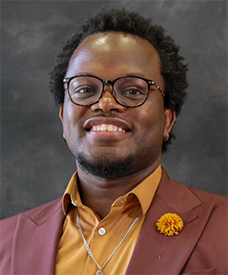
“Families in the Panhandle have been waiting too long for help that simply isn’t there,” said Gary Russ-Sills, the program’s manager. “What makes this program different is that we’re not bringing in workers from somewhere else. We’re investing in the young people who already live in these communities and want to give back to them.”
Investing in Florida’s Communities
The Panhandle Pathways to Para-Professions’ answer is to build the workforce from within the communities it serves, and to remove the barriers that have long kept rural, first-generation, and economically disadvantaged residents out of the field. No college degree is required to begin. Trainees earn stipends while they study and move into paid apprenticeships once they are certified, so cost and lost wages are not the obstacles they so often are.
The model unfolds in two levels, including:
- Level 1 is a 24-week pre-service certification that pairs a 12-week course — delivered through hybrid coursework, microlearning, and high-fidelity crisis-response simulation labs — with a 12-week supervised field placement in schools, early learning centers, and community behavioral health settings.
- Level 2 promotes graduates into a paid, registered apprenticeship of 6 to 12 months, working alongside licensed professionals. The curriculum keeps a dual focus on behavioral health and substance use, preparing trainees to support children affected by trauma, parental substance use, and co-occurring conditions to deliver care by telehealth and in-person services.
The response to the first recruitment cycle made the demand unmistakable, with the program receiving 315 applications. A total of 42 trainees were selected for the first two cohorts, with the first cohort starting in March and now moving into its supervised field placements, while the program prepares to onboard the second cohort. Many trainees are first-generation college students or are entering behavioral health without a four-year degree, and most come from the very communities they will go on to serve.
Hands-on experience in the community anchors the program, with 10 active field placements and apprenticeship sites across the rural Panhandle and Big Bend, and at least 3 more in development. Those opportunities exist because of partners with deep roots in the region, including the Panhandle Area Educational Consortium, Bay’s Kids, and DISC Village, as well as local school districts and Head Start programs.
“Every trainee we certify is someone who can reach a child before a crisis becomes a hospitalization or a call to law enforcement,” Russ-Sills said. “That’s the kind of change that lasts, because it stays in the community.”
Expanding the Program to Other Parts of Florida
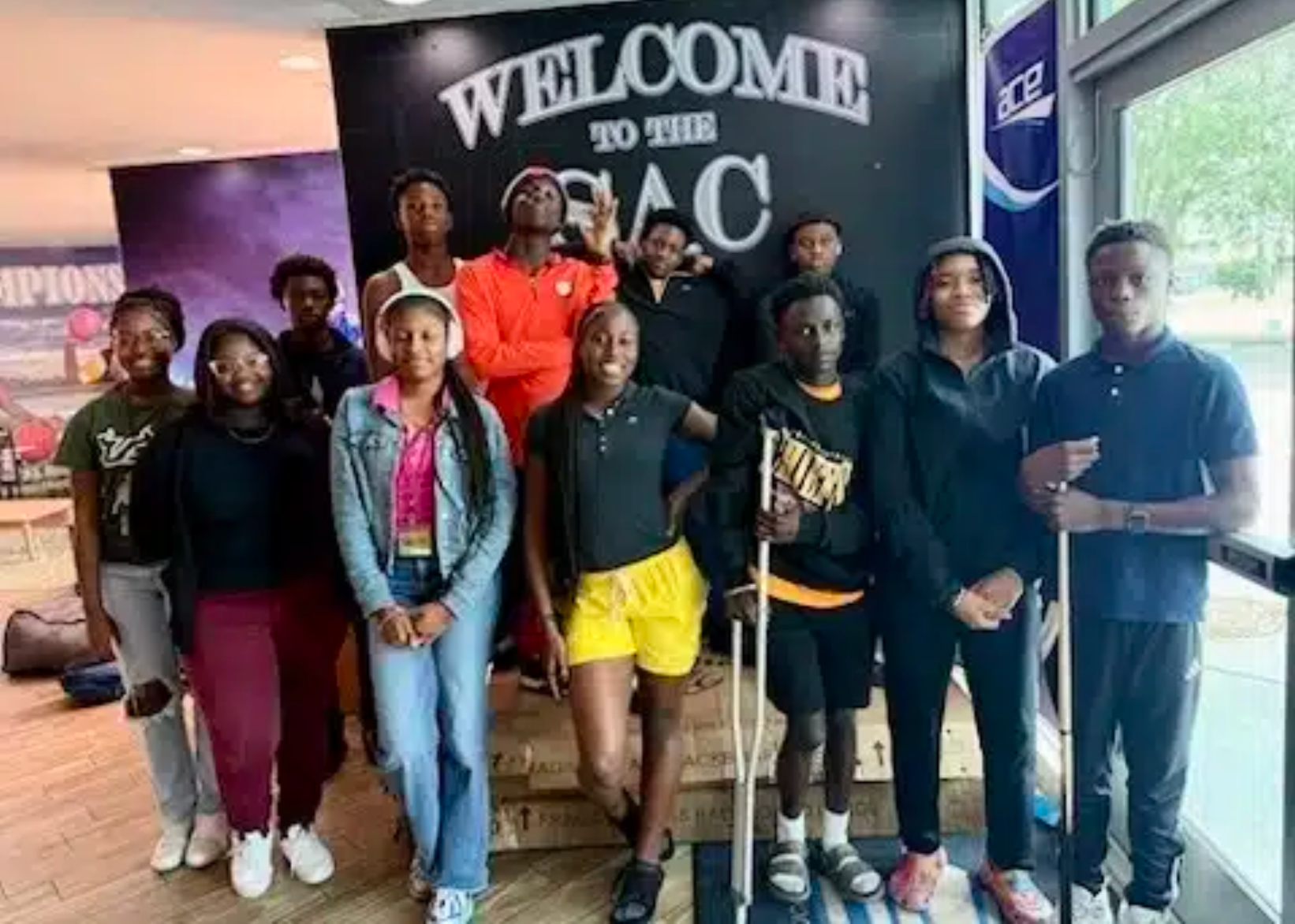
The model is already reaching beyond the panhandle. This summer, the Stoops Center partnered with Student ACES, a Palm Beach County nonprofit, to bring a customized Behavioral Health Technician training program to high school juniors and seniors in the Glades, one of Florida’s most under-resourced communities. Supported by the Community Foundation for Palm Beach and Martin Counties and U.S. Sugar, the 10-week program runs at the Student ACES Center in Belle Glade, pairing FSU’s curriculum and credentialing pathway with ACES's mentorship and life-skills support. Students earn a stipend, complete a capstone project/professional portfolio and chart a course to step directly into an internship after they graduate, turning a high school diploma into the first rung of a behavioral health career.
“We’re not just training students — we’re helping them build futures,” said Krissy Webb, executive director and co-founder of Student ACES. The partnership reflects where the program is headed, building career pathways into behavioral health that begin while students are still in high school, in the communities that need them most.
Individuals interested in the program and organizations interested in hosting a field placement or apprenticeship or in partnering with the program are encouraged to reach out at CFC-CBHT@fsu.edu.