FSU College of Social Work Hosts Translational Health Research Symposium
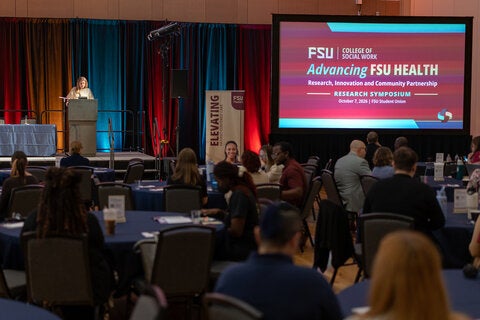
On October 7, the College of Social Work at Florida State University hosted the “Advancing FSU Health Research, Innovation and Community Partnership Research Symposium,” which highlighted the collaborative scholarship of the college, its centers and institutes and community partners. More than 100 participants attended the all-day event at the FSU Student Union, which included three panels and several breakout sessions.
Creating Community, Connection and Collaboration
“One of my favorite parts of being a social worker is serving as a connector. At its core, that’s what today is about,” said Lisa Magruder, research faculty member and director of the Florida Institute for Child Welfare, in her remarks kicking off the symposium. “Our faculty and staff produce impactful research, but just as importantly, they bring that work into communities, organizations, health settings, schools, and public systems. Today’s symposium is an opportunity to highlight those contributions, build relationships and create connections across disciplines and sectors.”
A primary focus of the symposium was to explore how community voices can guide the translation of research into improved practice and outcomes. Community perspectives can help researchers identify meaningful questions, adapt interventions to local circumstances, and evaluate whether changes in practice address the outcomes that matter most to the people being served. “A critical component of social work practice is ensuring that our clients and the populations we serve play an active role in their own journey. Uplifting these voices does more than just foster empowerment and collaboration. It directly informs our practice in ways that lead to optimal outcomes,” expanded Associate Dean Keithen Mathis in his event remarks.
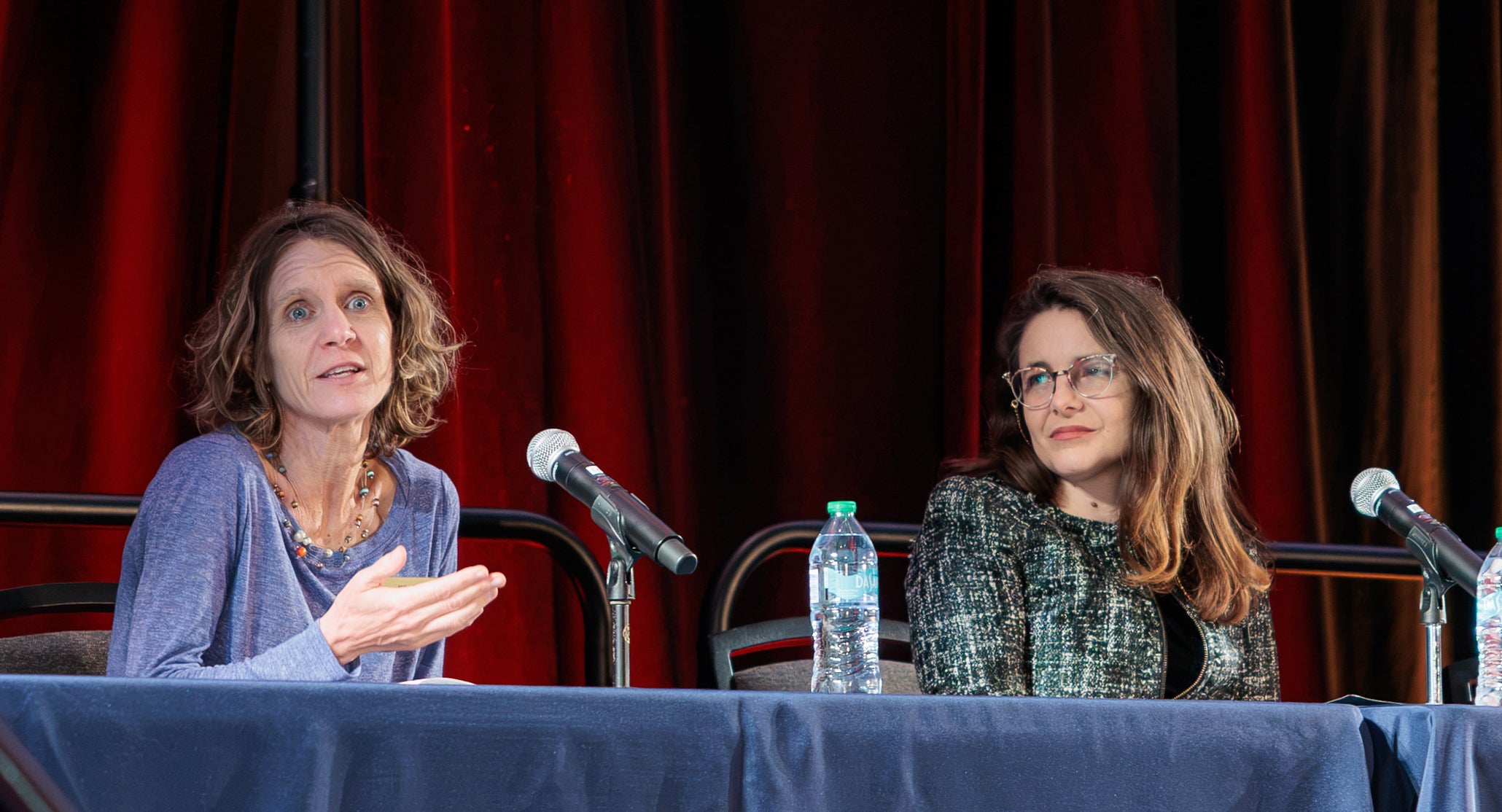
The three panels during the symposium contextualized and discussed the ways in which community voices can be incorporated into research and practice to improve agencies, along with the lessons learned and how emerging policy, practice and research implications are shaping this integrative approach.
Health Research as a Fulcrum for Change
The symposium aligns strongly with the goals and mission of the FSU Health initiative, which was first announced in 2025 and has since expanded into a partnership with Tallahassee Memorial Healthcare to integrate their flagship hospital into the FSU Health umbrella, along with the creation of an academic health center. Other partnerships include the Mayo Clinic in Florida, Tallahassee Research Institute, Andres Institute, and a growing list to aid in community and health support, workforce enhancement, and access to evidence-based science and research innovations in expanding regions of Florida.
“Social work brings an important perspective to the health conversation,” stressed Kirk Foster, dean of the College of Social Work, in his symposium address. “So much of what determines health outcomes happens outside of a traditional clinical setting. It involves families, communities, schools, social conditions, access to resources and the systems that shape people’s everyday lives.”
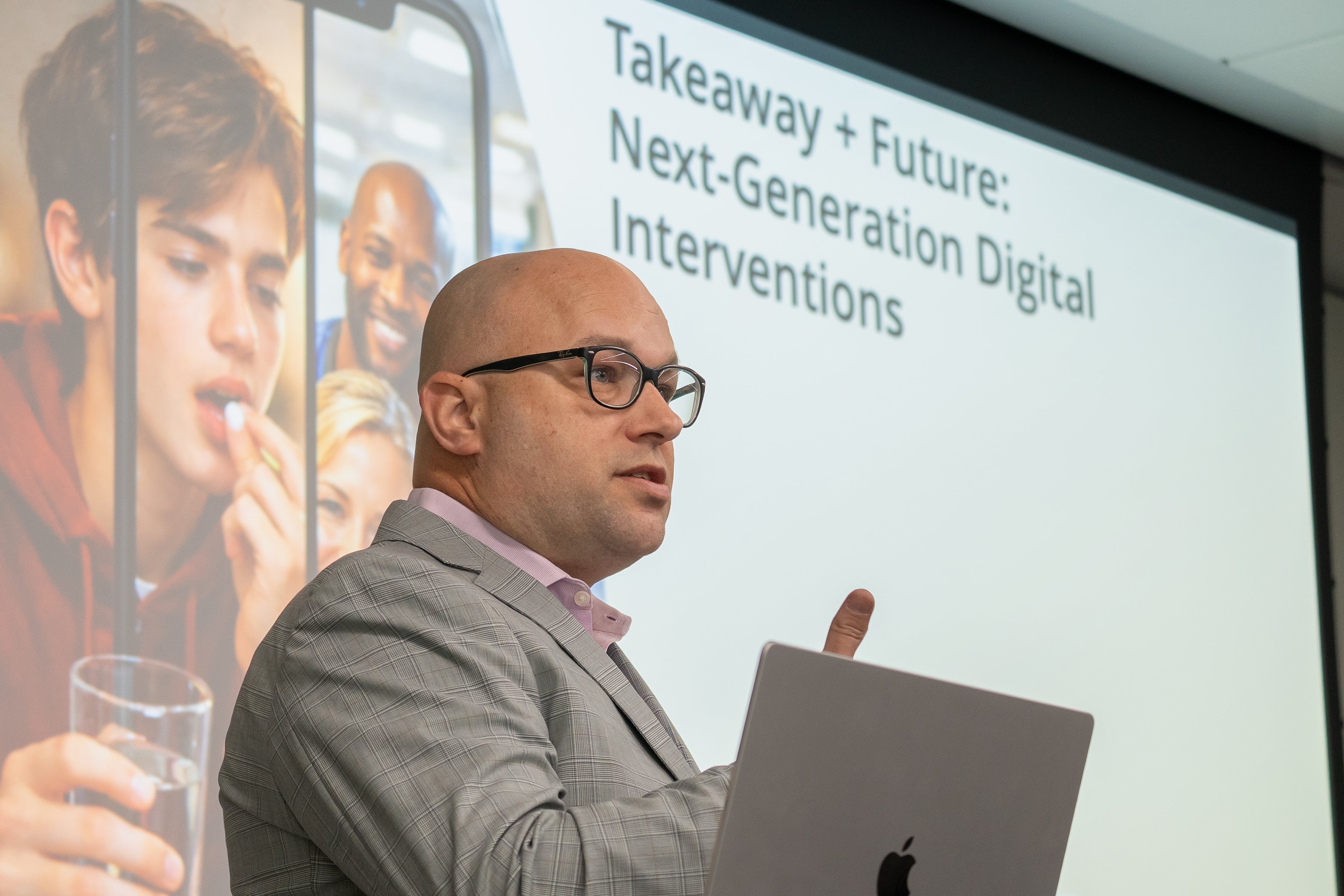
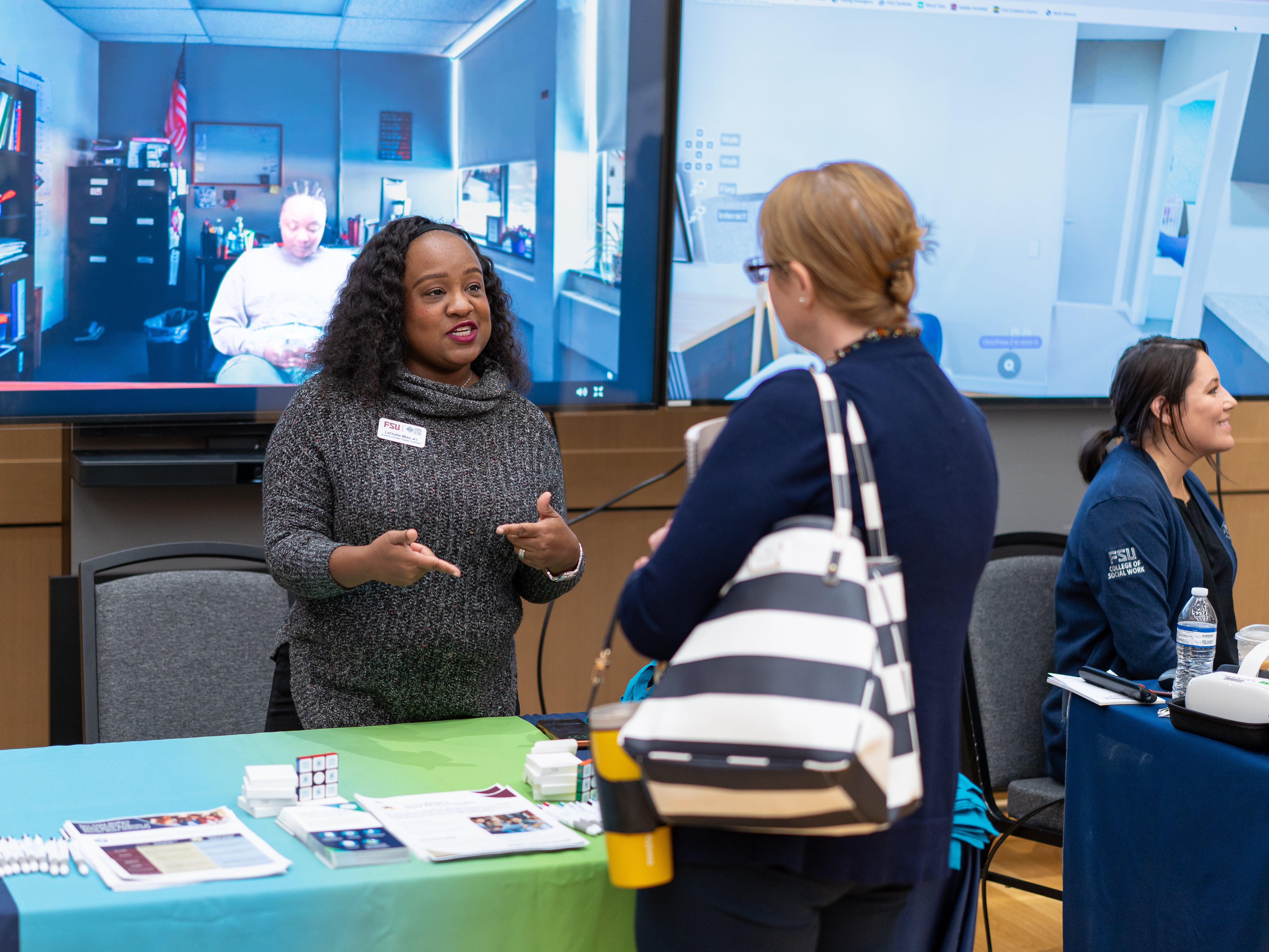
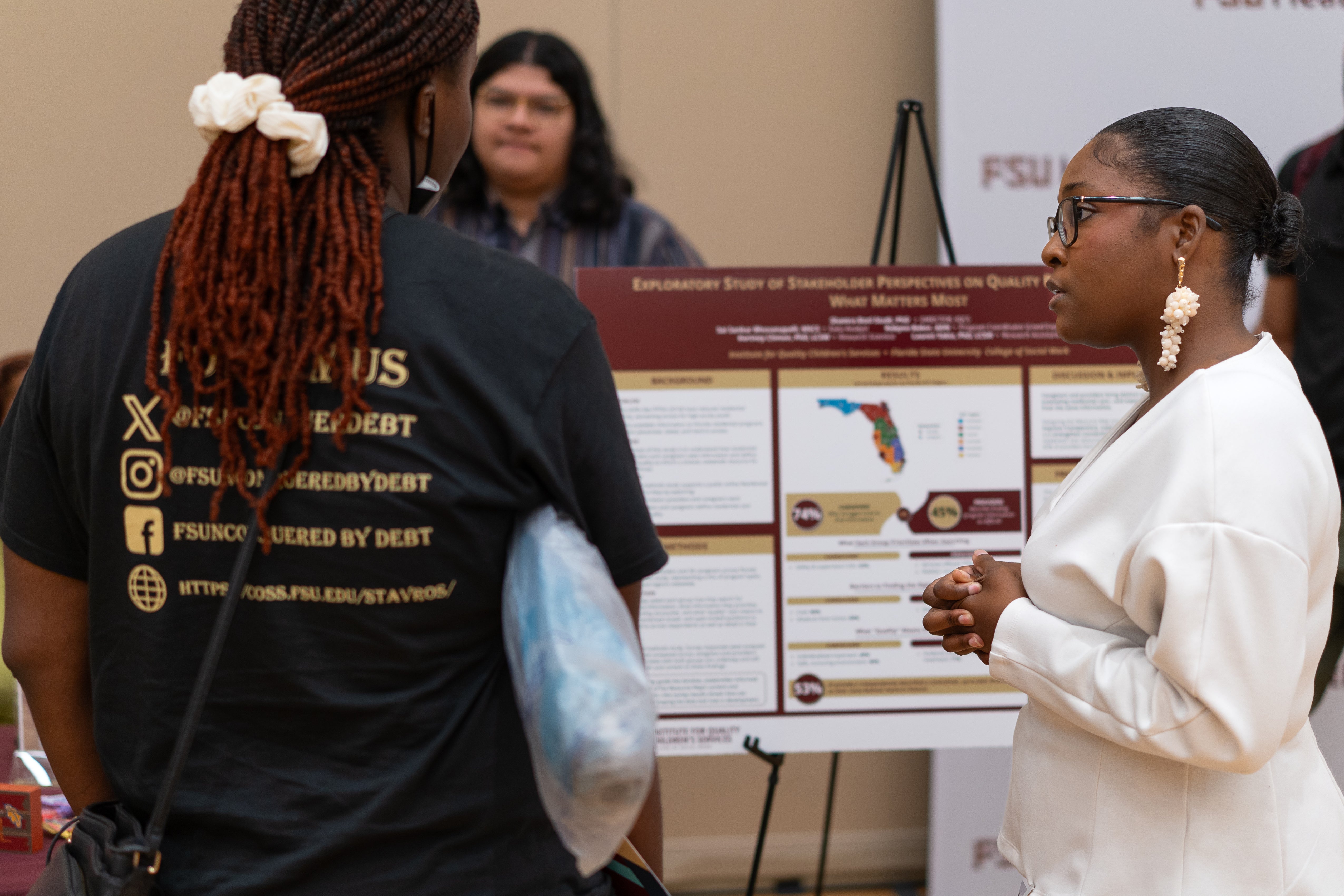
The symposium provided multiple opportunities for participants to learn about the many FSU Health-related projects that are utilizing health innovations to improve outcomes for a variety of populations. This included the Innovation Hall and six breakout sessions. The Innovation Hall provided both interactive poster sessions with researchers and hands-on demonstrations. One of these demonstrations is the Florida Institute for Child Welfare’s virtual reality home environment simulation, which provides students and clinicians with interactive child welfare scenarios that allow them to practice assessment skills in a realistic environment designed for learning and development.
The breakout sessions allowed participants to explore more deeply with researchers’ and practitioners’ research projects ranging from:
- substance use screenings for college students using healthcare services,
- cultivating workforce well-being for child welfare workers,
- utilizing data analysis to gain insights into children’s health outcomes, well-being and experiences,
- using integrative health frameworks to regulate child and family health outcomes,
- the use of mobile health apps to promote medication adherence, and
- new tools and skills being developed to strengthen Florida’s healthcare workforce.
“As the FSU Health initiative develops, this symposium offers an early opportunity to explore how social work research and community partnerships can work hand in hand to improve health and promote flourishing. We hope these conversations will help us identify shared priorities and consider how research evidence and community experience can inform one another to advance those goals,” stated Yaacov Petscher, the College of Social Work’s associate dean for research. “We are on the cusp of some exciting collaborations that overlap research and daily life.”